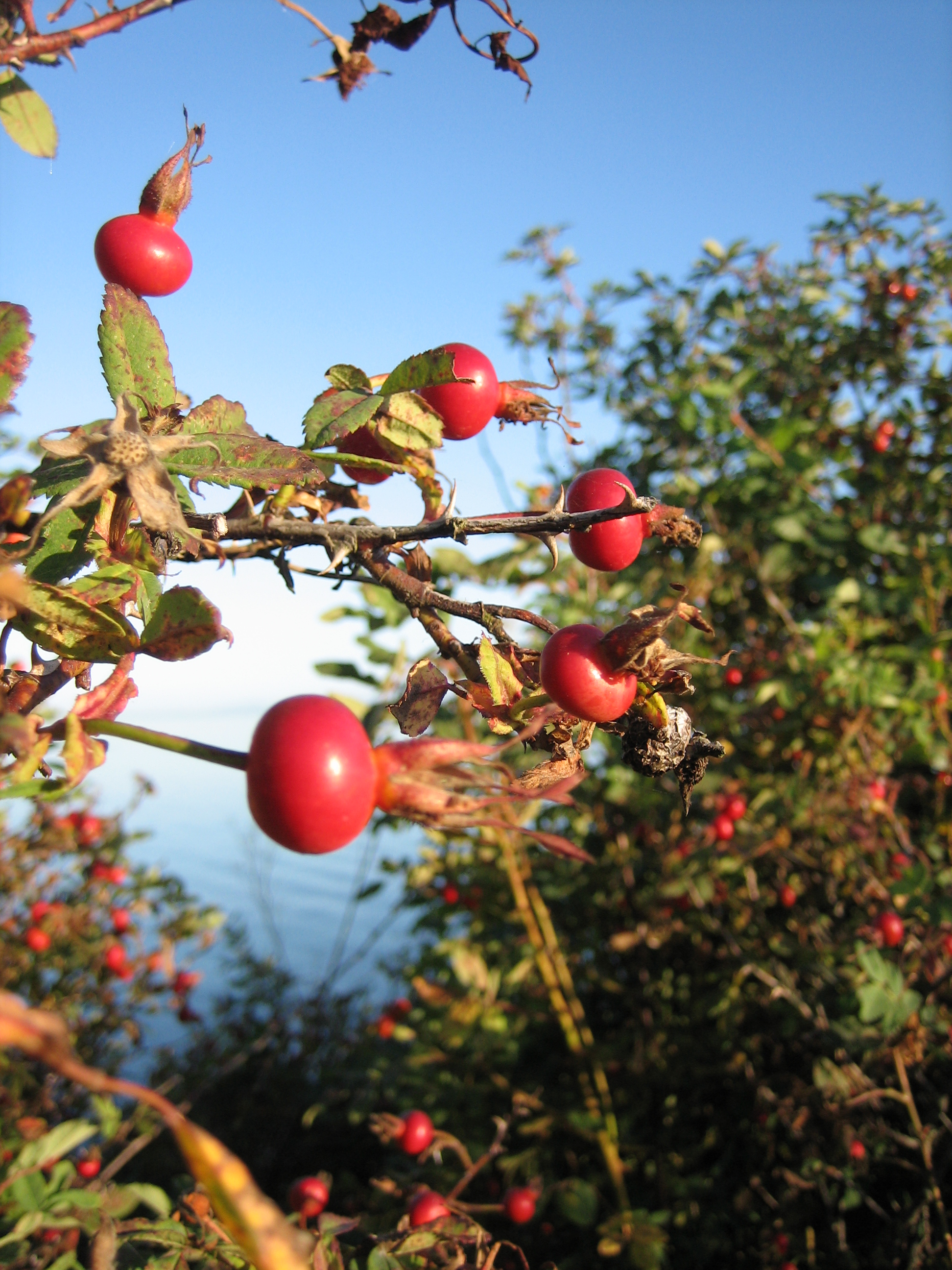
Showing posts with label Season: autumn. Show all posts

Sunday, 8 March 2009

Iraqi lentil-pumpkin soup

Polish: zupa
Bashkir: Һурпа
Armenian: սուպ
Quechua: chupi
Hebrew: מרק
Chinese: 汤
Tatar: aş
Marathi: रस
Mari: шӱр
Czech: polévka

I could eat soups for breakfast, lunch, supper, dessert, five o'clock tea... The one I am gonna write about now, Iraqi lentil-pumpkin soup (schurbat adas ma qar) is one of the best soups that a human being could ever imagine.

1 kg pumpkin flesh*
500 gr tomatoes
300 gr red lentils
2 big onions
pepper, salt, paprica to season

1. Cook (washed) lentils in 2 l water for 1/2 hour

2. In a frying pan heat some oil and fry chopped onions until goldenbrown. Add diced pumpkin flesh (cubes should be rather small) and saute. Puree peeled tomatoes (or grate tomatoes with kitchen grater as I always do) and add to the pan; stew few minutes more (tomato puree should thicken a bit)

3. Add the content of the pan to the pot with lentils, season and simmer on a low heat 1/2 hour more. Serve with Arabic bread and slices of lemon.

*you can take zucchini instead of pumpkin

Saturday, 7 March 2009

US-American stuffed butternut

Polish: dynia piżmowa
English: butternut squash
Spanish: zapallo anco
Swedish: bisampumpa
French: courge musquée
Quechua: lakawiti
Tamil: கல்யாணப் பூசணி
Hebrew: דלורית
Dutch: muskaatpompoen

A great recipe for American stuffed butternut squash:

1 medium butternut squash (1 kg)
100 gr blue cheese (I took Bavarian Blue)
1/2 cup crushed walnuts
1 onion, 1 garlic clove
a handful of breadcrumbs
optionally: salt, pepper

1. Cut cleaned squash lengthways in two halves, scoop out the seeds. Put some butter and mashed garlic in each cavity, brush with oil and sprinkle with salt and pepper. Bake 1 hour in the oven (200 C). The flesh has to be tender.

2. Scoop the flesh, leaving about 1 cm of flesh attached to the skin. Put it into a bowl with the butter-garlic juice. Mash it with blue cheese, chopped onion and nuts. You can add your favourite herbs (thyme, basil, oregano). Spoon back into squash halves and sprinkle with breadcrumbs. Bake about 15 minutes more.


Tuesday, 16 September 2008

Turkish rosehip-meatballs soup

Polish: klopsik
Hungarian: fasirt
Italian: polpette
Sicilian: purpetta
Bahasa Indonesia: bakso
French: boulette
Catalan: mandonguilla
Sardinian: coyetta
Albanian: qofte
Portuguese: almôndega

Meatballs are one of the essential ingredients of this great autumn Turkish soup. Aparts of them, kuşburnu çorbası contains not much more than rosehips. In opposite to Swedish rosehip soup, this one is not sweet at all. Tastes unforgettably.

(makes 3 portions)
500 gr rosehips
1 l water
200 gr chopped meat
a pinch of salt, pepper and cumin
1 tablespoon butter
2 tablespoons flour
1/2 - 1 teaspoon dried mint

1. Wash rosehips, cut into halves and cook in 1 l water 30 minutes or until soft. Drain very well but don't throw the rosehip water away! Pour it into a deep bowl. Press the resting rosehips (as much as you can) through a sieve into the bowl with rosehip water. Throw seeds and peels away.

2. Prepare meatballs from meat, season with salt, pepper and garlic. I also added chopped fried onion but this is my little invention which original recipe didn't contain. Fry them shortly in oil together with dried mint

3. In a saucepan, melt butter and add flour. Stir and add rosehip water and puree from the bowl. Bring to boil, it will be thicker after cooking with flour. Reduce heat, add meatballs with mint and cook about 15 minutes more. Serve and enjoy!

I dedicate this recipe to my dear friend Asuman who nabbed me when I was collecting rosehip buds under her window :)


US-American autumn vegetable soup

Polish: jesień
Armenian: աջռւն
Uzbek: kuz
Erzya: cёксь
Pashto: منۍ
Võro: süküs
Chuvash: Кĕркунне
Tigrinya: tzödia
Abkhasian: хкаарачан
Somail: dayr

Autumn slowly appears in central Europe again. Autumn is for me always more than welcome. There are not many things in this world better than floundering in colourful leaves, buying lovely orange pumpkins at the local markt and cooking and eating one of the most delicious soups of the world, US-American apple-rutabaga soup .

(makes 4 portions)
about 100 gr buter
1 cup chopped onion
1 cup grated rutabaga
1 cup grated apples (unpeeled)
1 cup grated carrots
1 cup grated sweet potato
1 cup grated squash or pumpkin
1l stock (vegetable / chicken)
1 cup heavy cream
salt, pepper, cayenne pepper, cumin (optionally: mashed garlic clove)
1/4 maple syrup (I added Turkish mulberry molasses)

1. Fry onions in butter until goldeb brown. Add the rest of the vegetables, stir constantly, fry them all together for about 10 minutes more on a low heat

2. Add sock, increase heat, bring to boil and cook about 20 minutes or until vegetables are soft.

3. Puree the soup or press through a sieve (I pureed only a half of my soup cause I like to bite little vegetable chunks). Add the rest of the ingredients and season to taste, reheat and serve!

ps.
I am sorry, but you have to use your imagination while looking at this picture. Its colour is much mre intensive but due to my poor camara it is impossible :(


ps2.
Top this soup with chopped dill or parsley. Pumpkin or sunflower seeds would be a great idea too!

Tuesday, 2 September 2008

German elderberry soup

Polish: bez czarny
Manx: berrish hrammanagh
Persian: آقطی سیاه
Turkish: kara mürver
Bosnian: zohva
Russian: бузина черная
German: Holunder
Basque: intsusa
Italian: sambuco nero
Swedish: fläder

Holunderbeerensuppe / Fliederbeersuppe is a kind of late summer-autumn north German delicacy. Must be made from very ripe elderberries; if the winter is not frosty people enjoy elderberry soup even in the wintertime. As a rule, elderberry juice tastes tart but after some sesoning it becomes deep fruity rich flavour.

(3-4 portions)
1l elderberries
1l water
1 pack vanilla sugar (or vanilla stick) + more sugar to taste
2-3 cloves
1 stick cinnamon
1 teaspoon lemon juice (i added instead a teaspoon of freshly made sea-buckthorn juice)
a zest from 1/2 lemon
1 apple, 1 pear
1 tablespoon potato starch

1. Wash berries, take off from the stalks and measure about 1 liter. Cook them in 1 liter water for about 20 minutes (until they soften and break). Press through a sieve and throw the seeds and rests away. Pour into the saucepan again. Add vanilla stick/sugar, cinnamon stick, lemon zest, cloves, lemon juice and sugar to taste. bring to boil. if it is still too tart for you, add 1/2 cup apple juice.

2. Mix potato starch with a little bit of water and add to the soup. Whisk well and boil. Lower the heat.

3. Peel apple and pear (throw seeds away), cut into slices. Add to the soup.


Advice:
Usually this soup is eaten with milk-semolina balls, but I don't like them. You can serve your soup plain, with noodles (for instance ribbons), with crepes cut into long noodles or with semolina balls (Grießklößchen). How to prepare them? Cook thick semolina in milk or milk mixed with water with a pinch of sat and vanilla sugar. Add egg (half egg, one egg or more, depending on how much semolina dough you have) and cook them in water. When ready, put on the soups surface and let them swim :) Some people cook them directly in the soup but it's up to you.

Friday, 8 August 2008

Swedish rosehip dessert soup

Polish: owoc dzikiej rozy
French: cynorrhodon
Armenian: Մասրենի
Luxembourgian: Mullebutz
Hungarian: csipkebogyó
Finnish: ruusunmarja
Catalan: gavarró
Russian: Шиповник
Breton: agroazenn
Danish: hyben

Summer is a great time. From now until October you can pick rosehips and prepare yourself this delicious nutritive thick sweet velvety soup. The recipe comes from Sweden, where rosehip soup is called nyponsoppa and is very popular, even ready to buy in tetra boxes in supermarkts.

see also: Polish rosehip dessert
see also: Turkish rosehip-meatballs soup
see also: German elderberry soup

1l ripe rosehips
1l water
sugar (about 4-5 tablespoons)
vanilla stick
(optionally heavy, sour or whipped cream)
almond flakes, raisins, little almond cookies (amarettini)


1. Wash rosehips, cut into halves and pour into boiling water with vanilla stick. Cook on a low heat until rosehips are soft (it takes about 30 minutes). Put rosehips aside and keep the water in which they were cooked.

2. Press rosehips trough a fine sieve. Keep rosehip puree in a bowl and pour the rest (peels and stones) back to the rosehip water. Cook again and strain, it should be quite thick. Take 3 amounts of this rosehip water to 1 amount of rosehip puree, add sugar to taste and it should be thick enough. if not, add more rosehip puree. It takes a bit more time than cooking rosehips and adding cornstarch but the soup has a rich intensive taste due to this proceedings.


I am not sure if Swedes eat their sweet fruity soup just like Poles, in the summertime as a light dinner, or rather as a dessert. Anyway, serve with heavy, sour or whipped cream (if you like), sprinkle with raisins, almond flakes and amarettini.


What to do with the rest of rosehip puree? heat it in a saucepan with vanilla mark and 2 tablespoons butter. You will receive a delicious breakfast spread :)


Thursday, 7 February 2008

Quince preserves

Polish: pigwa
Arabic: سفرجل
Bosnian: dunja
Rapanui: tuava
Ukrainian: Айва́
Romani: गुदुईन
Sardinian: tidongia
Welsh: cwins
Flemish: kweepeer
Upper sorbian: prawy kwětlowc
Spanish: membrillo

Quince. A fuit with so much meaning. May have preceded apple culture. It was a ritual offering at ancient Greek weddings and an important ingredient in Roman cookbooks. In Portuguese quince is called marmelo and marmelada was just cooked quince ith sugar, which was the beloved sweet of Christoph Columbus. In Spain this dessert is called dulce de membrillo and it is eaten as an appetizer with salty cheese. In Poland and Germany preparing above mentioned "quince bread" is always related with preparing quince jelly. Both at once. I even made ice cream and sorbet. I am gonna show you how. But I had no big quinces so I used baby quinces.


quinces (1 pan full of quince chunks)
sugar
2:1 preserve sugar (with pectin)

1. Cut quinces into chunks, don't peel, don't throw the seeds. Put into a saucepan.

2. Add so much water just to cover fruits. Cook until they are soft (check with fork)

3. Drain fruits (don't throw the resting juice!) and rub through a sieve

4. Cook quince puree with sugar (give as much sugar as much quince puree you obtained). The longer you cook, the darker will be your quince bread.

5. Pour the mass into a plain tray. Some people dry it in opened oven, but I think it is better to let it cool in a tray without baking. When cooled, cut in pieces and eat with slices of salty (especially sheep and goat) cheese or sprinkle with sugar and just eat sweet


6. Cover the sieve with a linen towel. Drain the juice, it has to be clear. Now you can prepare sorbet, ice cream or jelly.

To make a jelly, cook the juice with 2:1 pectin sugar (two portions of juice with one portion of sugar). Scald your jars and close jelly inside.


To make a sorbet, sweeten the juice to taste and freeze


To make ice cream, take 1/2 cup quince bread, 1 cup yoghurt and 1 cup milk. Combine and freeze.


To make a quick refreshing drink, combine 1 tablespoon quince jelly with a cup of water.

Friday, 1 February 2008

Polish rosehip dessert

Polish: owoce dzikiej róży
Japanese: ローズヒップ
Swedish: nypon
Catalan: cinoròdon
German: Hagebutte
Spanish: escaramujo
Dutch: rozenbottel
Hungarian: csipkebogyó
Armenian: Մասրենին
Finnish: ruusunmarja
Danish: hyben
Czech: šípky

Rosehips are extremely rich in vitamin C and other vitamins and minerals. Even chinchillas enjoy eating them, not mentioning me. When I was a child, my parents were buying a rosehip nectar to me. I remember this taste, something unforgettable. During my studies at the German Baltic coast, I was gathering rosehips and petals from the beach bushes and preparing juices and jams, and I managed to recovery the childhood memory about rosehip nectar. This time I thought I could make a jelly, too. In Polish, we call it kisiel z owocow dzikiej rozy. Swedish rosehip soup would be the next :)

see also: Swedish rosehip soup

about 1 liter rosehips
water
3 spoons potato starch

1. After picking rosehips (choose big round fleshy rosehips, just like those above), don't clean them from the seeds, just wash them and don't cut


(this picture is from Wikipedia: http://upload.wikimedia.org/wikipedia/commons/7/74/Rose_hip.JPG. I

2. Put rosehips in a pot and add so much water just to cover fruits, not more. Cook for 20-30 minutes. Fruits have to be soft and water should be orange.

3. Drain. Now you have a delicious rose juice that needs no sugar cause is very sweet and tastes great, and also rosehips which you can use to make a jam. Just rub through a sieve to divide skins and stones from fruit pulp. Boil the pulp with as much sugar as you like and add a bit of lemon juice. Rosehip jam is ready!

4. Back to the jelly. My proportions are 3 spoons potato starch to 2 cups rosehip juice. Boil 1,5 cup juice and aside melt potato flour in 0,5 cup juice. When flour has combined with juice, take the pot from the heat, add flour juice and mix fast. When homogeneous, heat again until bubbles appear. Serve with yoghurt, sour cream or whipped sweet cream.